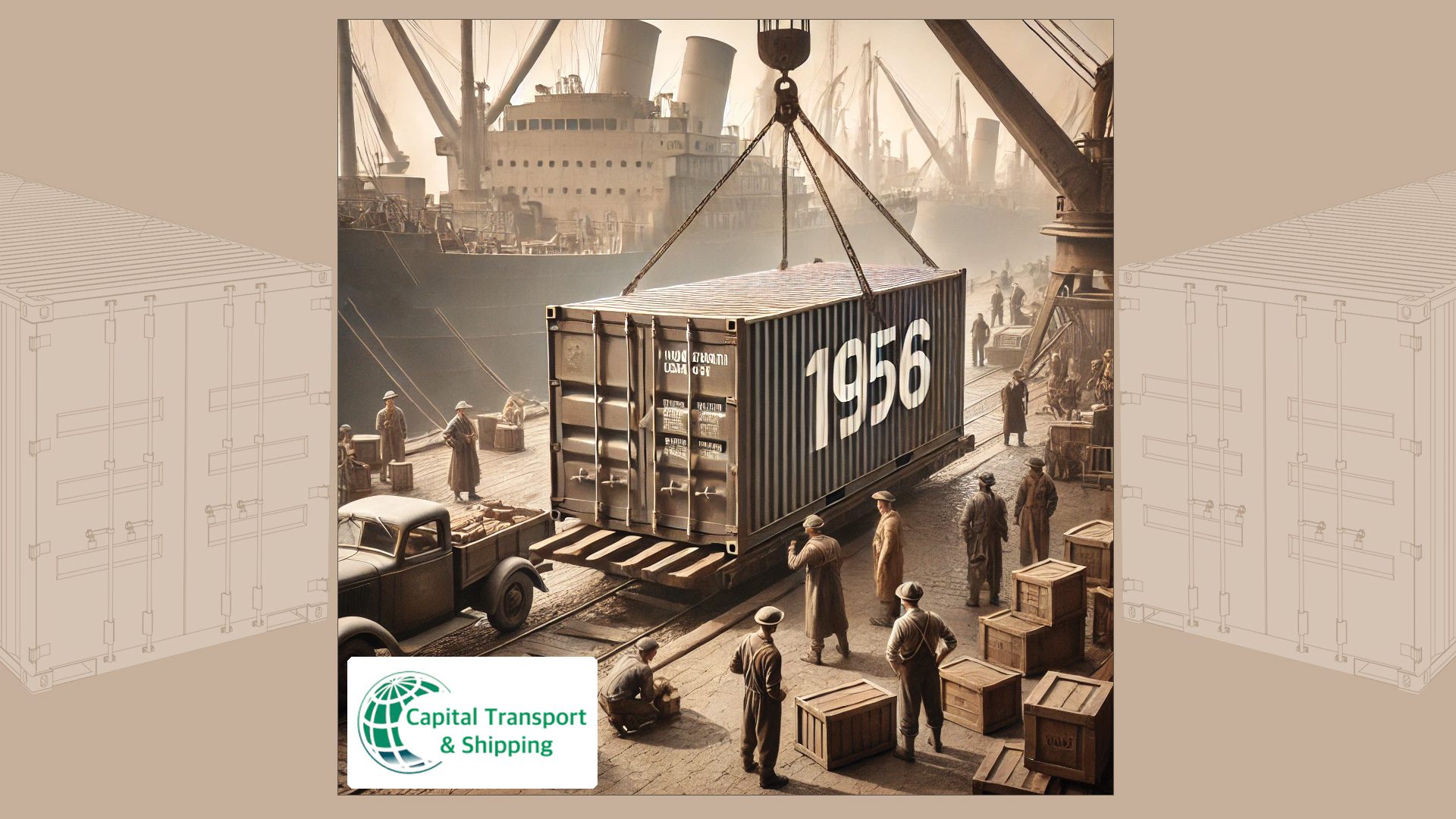
What if a simple metal box, no larger than a modest living room, could alter the economic landscape of the entire globe? This seemingly mundane invention, the shipping container, quietly revolutionized capitalism in ways few could have anticipated. Stretching beyond logistics, it reshaped commerce, labor, and even geopolitics. Yet, this transformation also introduces profound challenges—questions about sustainability, labor disruption, and the vulnerabilities of hyper-efficiency loom large. How did this unassuming container become a catalyst for a capitalist metamorphosis?
The Genesis of a Radical Innovation
Before the advent of the standardized shipping container in the mid-20th century, international trade was an arduous, fragmented process. Cargo was manually loaded and unloaded, a method known as break-bulk shipping, which was labor-intensive, time-consuming, and susceptible to theft and damage. The emergence of the shipping container, invented by Malcolm McLean, introduced a paradigm shift. These sturdy, uniform steel boxes could seamlessly move across ships, trucks, and trains without unpacking, galvanizing the entire supply chain. The mechanization of cargo handling accelerated trade, slashing costs and transit times dramatically. This innovation did not merely streamline logistics; it dismantled entrenched inefficiencies embedded within capitalist commerce.
Capitalism Accelerated: Efficiency Unleashed
At the heart of capitalism lies the imperative to optimize production and distribution. The shipping container embodied this ideal by enabling intermodal transport—integrating maritime, rail, and road networks with unprecedented fluidity. By standardizing freight units, economies of scale became attainable in their purest form. Ports transformed from chaotic hubs into finely tuned machines, orchestrating thousands of containers with precision. This infrastructural evolution allowed corporations to tighten supply chains, reduce inventory costs, and embrace just-in-time manufacturing methodologies. The ripples spread far beyond transportation: capital allocation became more dynamic, and markets more responsive, intensifying competitive pressures and innovation cycles.
Globalization’s Unsung Hero
The shipping container was the unseen engine powering globalization’s meteoric rise. By enabling the inexpensive, reliable movement of goods, it made outsourcing manufacturing and sourcing materials internationally economically feasible. Emerging economies—once sidelined by prohibitive shipping costs—catapulted into global production networks. This integration fostered rapid industrialization in Asia, particularly in China, altering the global balance of economic power. Consumers gained access to an unparalleled diversity of products at affordable prices. Yet, this interconnectedness also exposed capitalism to new systemic risks, revealing fragilities in global supply chains that would resonate decades later.
Labor and Capital: A Shifting Equilibrium
The shipping container’s impact on labor markets was as disruptive as its effect on trade flows. Mechanization drastically reduced the need for dockworkers and longshoremen, dismantling powerful unions and transforming labor-capital dynamics in port cities worldwide. While capital owners reaped efficiency dividends, many workers faced job insecurity and displacement. This displacement exemplified capitalism’s dual-edged nature: the pursuit of profit generating both wealth creation and social upheaval. Moreover, the container’s role in enabling offshore production catalyzed labor arbitrage, enabling corporations to relocate jobs to low-wage regions, further complicating socioeconomic landscapes in developed nations.
Environmental and Structural Challenges
Paradoxically, the shipping container—icon of streamlined capitalism—also brings environmental dilemmas to the fore. The exponential increase in global freight movements contributes significantly to carbon emissions and marine pollution. Vast container yards scar coastlines, and abandoned containers lie dormant, a testament to systemic overcapacity and inefficiencies. Furthermore, the system’s extreme reliance on containerization fosters vulnerabilities: even minor port disruptions cascade into global economic reverberations, as seen during recent logistic crises. Capitalism’s infatuation with speed and lowest cost, symbolized by this invention, thus presents a paradox between progress and sustainability.
The Shipping Container as Cultural Icon and Economic Catalyst
Beyond commerce, the shipping container has permeated cultural and architectural realms, inspiring adaptive reuse and symbolizing globalization itself. Converted into pop-up shops, housing units, and even artistic installations, these containers narrate capitalism’s reach into everyday life and urban landscapes. Economically, their proliferation spurred innovations in tracking, data analytics, and global finance, knitting together supply chains with digital threads. They underscore the interconnectedness of markets, logistics, and consumer behavior in a capitalist order increasingly defined by speed, scale, and complexity.
Potential Challenges on the Horizon
Can capitalism sustain its container-fueled momentum indefinitely? The question reverberates amid mounting geopolitical tensions, pandemics, and climate-induced disruptions. The single-mode, cost-centric logic that propelled containerization may struggle against demands for resilience, equity, and ecological balance. Moreover, automation threatens to deepen labor dislocations initially triggered by container adoption, inviting debates about fairness and the future of work. In this light, the shipping container revolution serves as a microcosm of capitalism’s broader dialectic: a triumph of ingenuity shadowed by profound, systemic quandaries.

