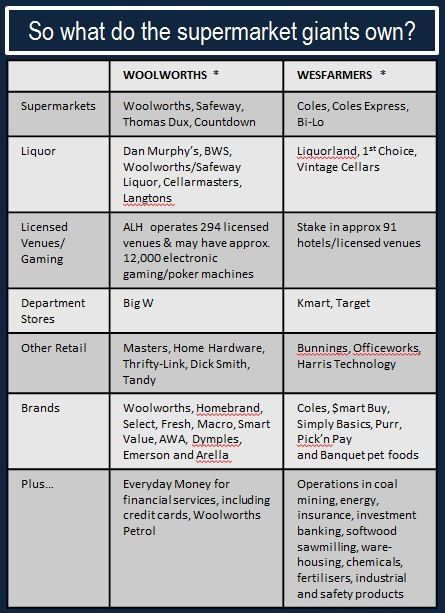
In contemporary capitalist societies, few phenomena capture a combination of economic efficiency and consumer frustration quite like the supermarket duopoly. Across numerous markets worldwide, two colossal companies dominate the grocery landscape, shaping not only purchasing behaviors but also the very nature of supply chains, market competition, and even cultural consumption patterns. This peculiar concentration of power invites both casual observation and deeper contemplation, revealing intricate dynamics that extend far beyond the aisles of our local grocery stores.
The Anatomy of a Supermarket Duopoly
At its core, a duopoly comprises two dominant firms that command the majority of market share within a particular industry. In the supermarket sector, this manifests as two sprawling gatekeepers controlling vast networks of stores, distribution centers, and supplier relationships. This form of oligopolistic structure is particularly intriguing because it straddles the line between competition and monopoly. Consumers may believe they exercise choice, picking between two brands. Yet, under scrutiny, the boundaries blur as pricing strategies, product assortments, and marketing initiatives reveal a tacit interdependence between these behemoths. The duopoly’s market power is not solely a function of size but also of its strategic resilience within the competitive capitalist framework.
Consumer Implications: The Illusion of Choice
The widespread consumer lament regarding limited options in supermarkets is not without basis. While shelves teem with seemingly diverse products, the dominance of two supermarkets often means similar private label goods, negotiating power over third-party brands, and parallel pricing strategies that stifle authentic variety. The psychological effect resembles a mirage of choice. Shoppers wander between aisles, perceiving difference but encountering subtly homogenized offerings. The duopoly’s control extends vertically and horizontally, ensuring that even niche or specialty products are often funneled through their supply chains, which invariably compresses diversity and enshrines their economic hegemony.
Economic Efficiency versus Market Distortion
One cannot discuss the supermarket duopoly without acknowledging the paradox it embodies. On the one hand, the concentration of market power can drive remarkable efficiencies—economies of scale lead to lower costs for procurement, streamlined logistics reduce waste, and investments in technology improve inventory management. These efficiencies can translate to lower prices for consumers, at least superficially. On the other hand, the duopoly’s dominance distorts market mechanisms by dampening genuine competition, erecting barriers to entry for smaller competitors, and fostering environments where price wars and strategic undercutting may give way to tacit collusion. This duality provokes compelling debate about the optimal balance between consolidation and competitive plurality within capitalist markets.
Supply Chain Implications and Producer Pressures
The influence of a supermarket duopoly extends far beyond retail shelves—it cascades upwards into global and local supply chains. Suppliers, whether multinational conglomerates or small-scale producers, often find themselves negotiating under the shadow of these dominant entities. The supermarkets exert considerable power to dictate terms, squeezing margins, imposing stringent quality and delivery schedules, and favoring scale over sustainability. This dynamic can intensify economic disparities within agricultural and manufacturing sectors, underscoring a less obvious but profound sociopolitical dimension of the duopoly. The struggle for autonomy among producers uncovers how capitalist structures embed power asymmetries into everyday economic transactions, complicating narratives of fair trade and ethical consumption.
Regulatory Challenges and Policy Responses
Governments and regulatory bodies find themselves at a crossroads, grappling with the implications of supermarket duopolies for both consumers and smaller market players. Antitrust laws and competition policies underscore the tension between encouraging economic growth through large-scale enterprise and protecting competition as a mechanism for innovation and consumer welfare. Enforcement against anticompetitive conduct is complicated by the nuanced strategies employed by duopolistic firms, such as loyalty schemes, exclusive supplier contracts, and subtle price signaling. Policy discourse must therefore navigate the fine line between curbing excesses of market power and preserving the efficiencies and scale advantages that large retailers bring to food security and accessibility.
Cultural and Social Dimensions of Supermarket Dominance
Beyond economics, the supermarket duopoly casts a long shadow on culture and social behavior. The omnipresence of these chains influences dietary patterns, lifestyle choices, and community dynamics. Homogenization of food products often correlates with erosion of local food traditions and culinary diversity. Moreover, the physical and symbolic centrality of supermarkets in urban and rural landscapes can alter social interactions, reshaping how communities engage with food and with each other. This cultural dimension intertwines with economic structures, illuminating how capitalism and consumer habits co-create environments that both sustain and challenge the status quo.
The Fascination with Monopoly Power under Capitalism
What makes the supermarket duopoly particularly enthralling is how it encapsulates broader capitalist contradictions. It offers a tangible instance where the celebrated virtues of competition coexist uneasily with concentrated power. The fascination lies in unpacking how these tensions play out in real-world markets, revealing the subtle mechanisms by which capitalist economies balance innovation, control, and consumer empowerment. This dynamic stimulates ongoing scholarly and public discourse, inviting questions about the future trajectory of market structures, the role of regulation, and the evolving relationship between consumers and corporate behemoths.
Prospects for Change: Innovation, Alternatives, and Consumer Agency
Despite the formidable dominance of supermarket duopolies, avenues for transformation persist. Emerging trends such as farmer’s markets, cooperative grocery stores, and online retail platforms present alternative modes of consumption that challenge established paradigms. Furthermore, consumer consciousness around ethical sourcing, sustainability, and localism has the potential to recalibrate power relations within food systems. Technological disruptions, from blockchain supply tracking to AI-driven personalized shopping, may further empower consumers and smaller retailers. These prospects underscore that while the duopoly represents a structural reality, it is neither immutable nor monolithic within the evolving capitalist milieu.

