Capitalism often conjures images of a grand, unyielding marketplace—a colossal game board where fortunes are won and lost in a relentless dance of supply and demand. Yet beneath this veneer lies a complex ecosystem teeming with contrasts: its champions bask under gilded spotlights while its casualties disappear into shadows. The narrative of winners and losers within capitalism is neither binary nor simplistic. It is a sprawling tableau rich with paradox, nuance, and often, poignant revelation. Understanding this dynamic demands peeling back layers, much like dissecting a cryptic map where the true paths to prosperity and decline are seldom obvious at first glance.
The Architecture of Advantage: How Capitalism Crafts Winners
Capitalism’s architecture is akin to a towering cathedral built on foundations of innovation, risk-taking, and competition. Winners in this system are often those who harness these elements with shrewd precision. They are architects of opportunity, navigating through economic storms armed with resilience and vision. Success under capitalism frequently hinges on access—to capital, networks, or information. Those endowed with these assets resemble seasoned mariners who skillfully chart courses through volatile seas, exploiting currents others cannot even perceive.
Innovation acts as the twin torchbearer for triumph; groundbreaking technologies and novel business models light pathways to unbounded accumulation. The rise of digital giants and disruptive startups illustrates how nimbleness combined with boldness can carve monumental niches. Yet, this elevation is seldom random. It is structurally enabled by mechanisms like intellectual property, venture capital, and regulatory frameworks inclined to reward originality and scale.
The Silent Abyss: Understanding Capitalism’s Losers
If winners ascend, losers often plunge into an abyss less illuminated but equally consequential. This descent can be sudden or gradual, guided by forces beyond individual control. Economic dislocation—caused by automation, globalization, or policy shifts—serves as a silent undertow pulling livelihoods away. The metaphor of a “rising tide lifting all boats” frequently rings hollow here; many vessels are left stranded or shipwrecked, their crews scrambling to regain footing.
Structural inequities magnify these losses. Barriers such as limited education, geographic marginalization, and systemic discrimination create terrains where climbing out of economic despair is akin to scaling a sheer cliff with no footholds. The losers are not mere casualties of chance but often of compounded disadvantages entrenched in the socioeconomic order. The landscape of loss is as much a testament to capitalism’s imperfections as the summit of wealth is to its potency.
The Dance of Inequality: The Crescendo of Disparity
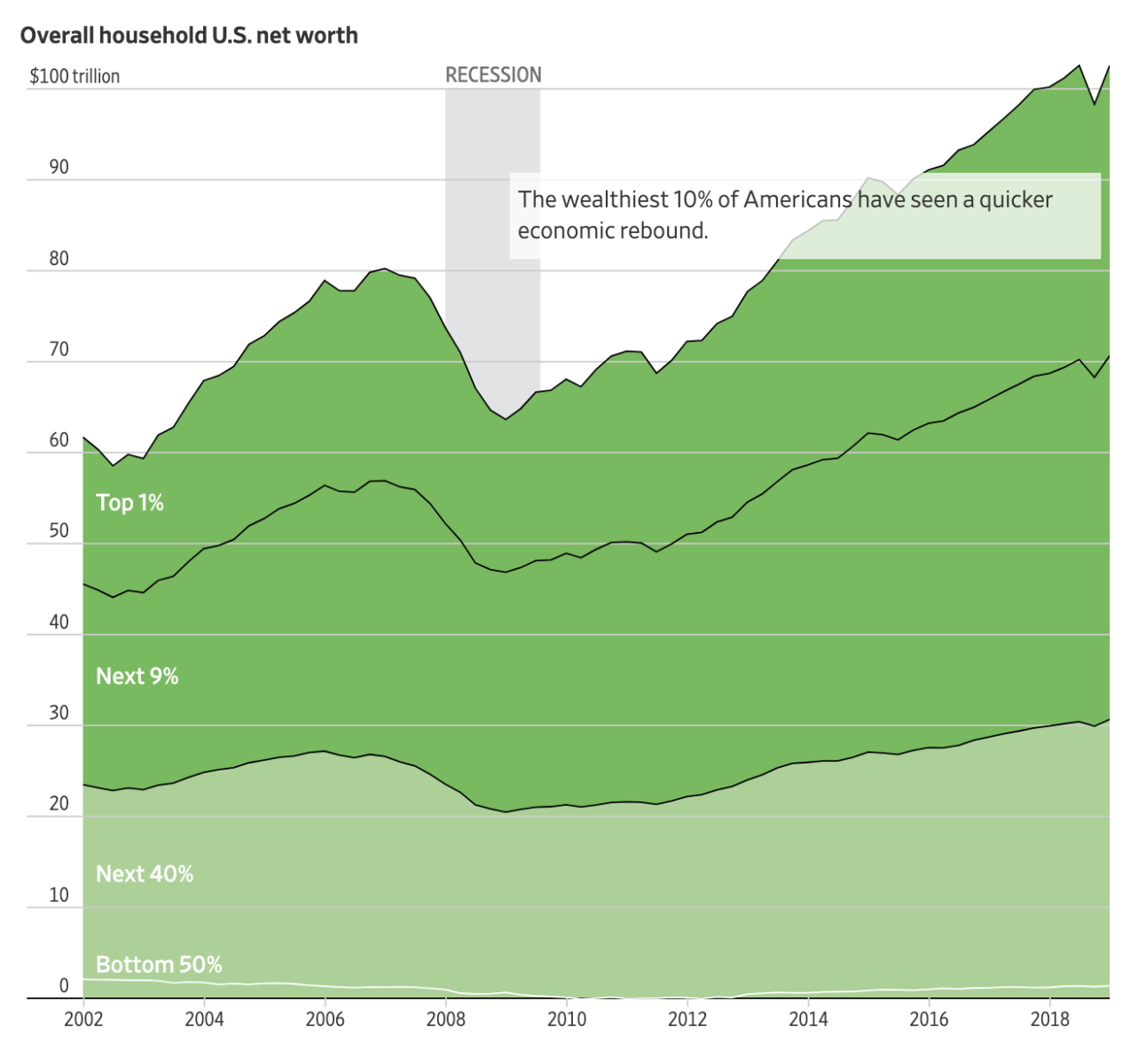
Capitalism’s winners and losers do not exist in isolation; they are locked in a dynamic, often tension-filled waltz. The expanding chasm between rich and poor resembles the widening gulf between twin mountain peaks—majestic yet treacherously distant. This divergence fuels cycles of concentration and exclusion. Wealth begets wealth at dizzying velocities, propelled by investment returns, inheritance, and political influence.
Meanwhile, those left behind wrestle with precariousness—unstable employment, dwindling social mobility, and eroding community cohesion. Income inequality does more than redistribute money; it redistributes opportunity, hope, and societal voice. Over time, this fractures the social fabric, breeding unrest and fueling debates over capitalism’s legitimacy and sustainability.
The Illusion of Meritocracy: Myth vs Reality
Capitalism often promotes the mythos of meritocracy—the belief that effort and ability alone dictate success. This narrative, compelling and culturally resonant, simplifies a reality that is intrinsically more labyrinthine. Meritocracy functions as a seductive tale that glosses over structural advantages and systemic biases. It enshrines the idea that everyone begins the race from the same starting line, when in fact the lines are staggered.
Unseen variables—social capital, inherited wealth, cultural capital—shape outcomes as potently as talent or toil. The “winners” in capitalism may well be beneficiaries of inherited privileges as much as personal merit. Recognizing this does not diminish individual achievement but complicates the accepted story and invites a more critical interrogation of fairness and justice in economic systems.
Capitalism’s Unique Appeal: Dynamism and Opportunity
Despite its glaring disparities, capitalism’s allure endures. At its core lies a promise: the potential for ascendance, innovation, and self-determination. It operates as an engine of creativity, forging new industries and expanding human capability at breathtaking speeds. This dynamism is unmatched by most alternative economic systems, offering a canvas where ambition can paint masterpieces.
The system rewards entrepreneurial spirit, incentivizes efficiency, and fosters choice. It generates abundance in forms that transform daily life—from the smartphone in one’s hand to the global connectivity that defines modern existence. For many, capitalism embodies the hope of rewriting destiny, a stage where innovation can upend entrenched hierarchies, allowing new actors to rise.
Navigating the Future: Toward a More Inclusive Capitalism
The ultimate question is not whether capitalism produces winners and losers—that is inherent to competitive economies—but how societies choose to navigate these outcomes. The future calls for a recalibration: systems and policies that mitigate structural vulnerabilities while preserving the vital dynamism that propels growth.
This may involve reinventing social contracts—strengthening education, healthcare, and social safety nets—ensuring that more people have equitable starting points. It means fostering responsible capitalism where business and government collaborate to balance profit with purpose, innovation with inclusion. Harnessing technology for broader benefit, addressing climate change, and enshrining transparency and accountability are essential to restoring faith in capitalist frameworks.
Ultimately, capitalism’s story is a mosaic of triumph and tragedy—an evolving experiment in opportunity and exclusion. Its winners sparkle like constellations against a night sky, guiding the way forward. Yet glimpsing the shadows below reminds us that a true understanding demands confronting complexity and aspiring toward a horizon where the entire constellation, not just brightest stars, shines with shared prosperity.

