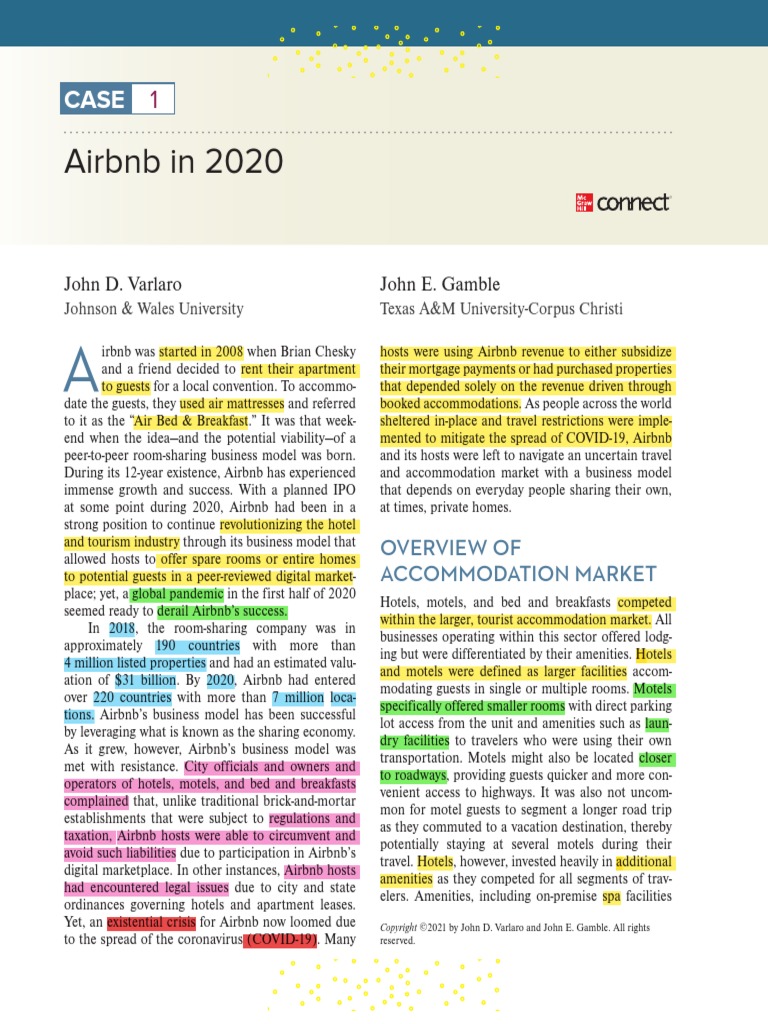
The rise of platforms like Airbnb has undeniably transformed how we travel and experience hospitality. What began as a novel way to connect hosts and travelers offering unique accommodations has evolved into a complex phenomenon with significant implications for the broader economy and society, particularly concerning the dynamics of capitalism. Airbnb, at its core, exemplifies this transformation; it sits at a potent intersection where the convenient demands of the modern tourist collide head-on with the often-fractured realities of local housing markets, labor stability, and regulatory landscapes. Examining Airbnb reveals a microcosm of the larger ‘vacation rental problem’ – a problem deeply intertwined with the workings of contemporary capitalism itself.
The Engine of Capitalism: Airbnb as Capitalized Leverage
Airbnb operates on principles fundamental to modern financial capital: identify an asset, leverage its potential for profit, and scale the operation. In its simplest form, homeowners transform unused bedrooms (and increasingly entire homes) into investment properties, subject to market fluctuations and acquisition strategies similar to real estate investing. This process of **liquid capitalization** turns static housing assets into dynamic, capital-generating machines, primarily driven by vacation rentals. The platform facilitates this economic shift by lowering barriers to entry for hosts and connecting them efficiently with renters seeking short-term stays, effectively weaponizing the abundance of underutilized dwelling space. This is capitalism in action, redefining asset ownership and labor in the service economy.
Balancing Act: Supply and Demand in the Shared Economy
The fundamental driver of Airbnb’s business model is the perpetual tension between supply (available listed rooms) and demand (travelers seeking accommodation). This dynamic shapes both the user experience and the platform’s economic structure. During high-demand periods like holidays or local events, the scarcity principle kicks in, often leading to increased listing standards (hosts raising prices to match perceived exclusivity) and price volatility. Conversely, periods of low season can saturate neighborhoods with a glut of short-term rentals, potentially overwhelming the hospitality market and flooding local social infrastructure. Airbnb’s dual role – both expanding the overall supply of available beds and concentrating existing beds geographically – makes its impact complex and deeply location-dependent. This fluid supply chain is managed through sophisticated algorithms and platform policies, creating a unique market structure distinct from the traditional hotel industry.
An Economy of Inconvenience? Labor and Housing Precarity
Capitalism often demands flexibility, even if it means precariousness for labor. Airbnb hosts, much like the platform itself, operate in a demanding, sometimes unpredictable market. Managing a rental involves not just listing, but also deep cleaning, maintenance, communication, potential interactions with guests (requiring social stamina and skills), and navigating complex local regulations. For hosts, this represents the trade-off between autonomy (being their own boss) and the pressure to constantly earn back the investment and effort required to operate profitably. This precariousness is mirrored by the effect Airbnb listings have on the local housing market itself. High rental yields often come at the cost of permanent home availability, as the most desirable and lucrative properties are increasingly converted back to long-term investment rentals or speculation, driving up permanent housing costs and contributing to displacement and gentrification – direct consequences of market-driven extraction for vacation demand.
Regulating the Unprecedented: Airbnb vs. Traditional Hotel Models
The unique character of Airbnb necessitates its own regulatory framework, putting it in direct tension with the established practices governing traditional hotels. The physical inspection requirements, labor laws, and safety regulations for commercial hotels often differ sharply from those for unlicensed short-term accommodations listed on Airbnb. This creates an uneven playing field that raises serious questions about fair market competition. Concerns regarding increased fire hazards due to the frequency of guests, the lack of consistent cleaning and maintenance standards, unlicensed business operations, and the potential circumvention of tourism taxes are common threads in city-wide debates. Regulators face the challenge of preserving community character, ensuring guest safety, managing tax revenue equitably, and protecting the existing hotel workforce without stifling innovation or travel choices. Airbnb’s distinct operational model fundamentally questions the assumptions underlying traditional regulatory systems designed for brick-and-mortar hotels.
Identity and Experiential Shifts in Travel
Beyond the purely transactional, Airbnb represents a profound change in the traveler experience itself. The platform taps into a desire for local immersion and personalized experiences, often presented as more authentic alternatives to chain hotels. Staying in someone’s home, using local amenities integrated into the host’s environment, and engaging directly with hosts who embody local knowledge – these factors appeal to a market yearning for connection and difference in an increasingly homogenized world. This experiential shift reflects a deeper trend; capitalism not only provides goods and services but also creates entire new markets based on cultural shifts and evolving human desires – the experience economy being perhaps the most prominent example, where Airbnb’s “local secrets” and curated listings monetize feelings.
Conclusion: Capitalism’s Double-Edged Sword
The Airbnb phenomenon encapsulates the powerful, if often contradictory, forces of contemporary capitalism. On one hand, it showcases human ingenuity and market efficiency, providing innovative solutions for travel accommodation and enabling new forms of asset ownership and income generation. Yet, as this case study illuminates, these efficiencies come with significant societal costs. From the precarious labor demanded of hosts to the potential weaponization of housing capital, the expansion of the vacation rental market through platforms like Airbnb reflects the inherent tensions and pressures within a system driven by continuous value extraction and market logic. The ‘vacation rental problem’ is thus not just a localized urban issue, but a symptomatic manifestation of how the relentless logic of capitalism impacts community fabric, housing security, labor stability, and the very nature of leisure and experience. Airbnb serves as a lens through which we can critically examine the ongoing evolution of work, wealth, and well-being within the global economy.


