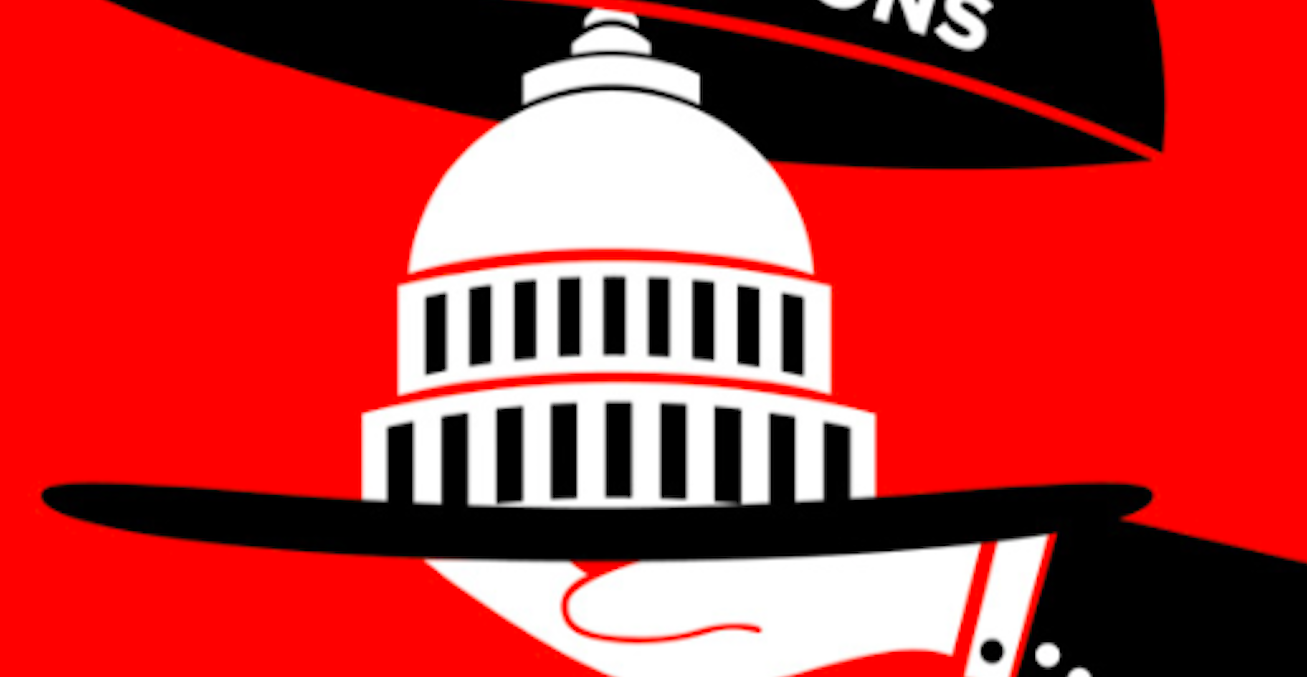
Imagine a vast ocean where colossal ships once charted the course of entire nations, their hulls inscribed with the emblems of corporate empires. These vessels, powered by relentless engines of profit and influence, have long steered the tides of political decision-making. But what if these titanic ships vanished from the horizon, leaving only the wind and currents to dictate direction? The political landscape would transform dramatically, revealing an ecosystem recalibrated in favor of democratic currents and societal welfare. This exploration delves into the hypothetical absence of corporate political power—a realm where governance and public interest reclaim sovereign command from the leviathans of commerce.
The Dissolution of Corporate Leviathans in Political Waters
Corporate influence in politics often manifests as an invisible undercurrent, subtly shaping legislation, regulation, and electoral outcomes. Without this force, the sprawling apparatus of political power would be unshackled from industrial oligarchies. The unraveling of this symbiotic relationship would disrupt the centuries-old infrastructure where money equates to access and agenda-setting. The machinery of democracy would no longer be a playground for corporate puppeteers but a genuine arena for citizen voices. The ocean, once heavily trafficked by supertankers prioritizing their own routes, would become a space where smaller, more agile vessels—grassroots initiatives and public institutions—navigate unimpeded.
Reclaiming Sovereignty: The Renaissance of Public Interest
In a world absent of corporate political clout, the sovereignty of public interest regains its primacy. Policy-making would no longer cater to the narrow imperatives of profit maximization but would orient towards holistic societal benefit. This metamorphosis could foster legislation rooted in environmental stewardship, social equity, and sustainable development. Without the shadow of deep-pocketed lobbying, policies designed to protect vulnerable communities and preserve natural resources could emerge from genuine dialogue rather than transactional bargaining. The collective conscience would shine brighter, guiding the polity toward decisions engineered for the common good rather than shareholder dividends.
Electoral Dynamics Liberated from the Tides of Corporate Financing
Electoral politics often resembles a battleground where financial artillery determines the potency of candidates and campaigns. The absence of corporate funding would invert this paradigm, compelling political aspirants to seek legitimacy through grassroots support, ideas, and authentic public engagement. Campaigns would likely become more ideologically diverse, as the homogenizing pressure of corporate donors wanes. This shift would nurture political pluralism, encouraging a spectrum of voices that better mirror the electorate’s variegated fabric. Consequently, democracy would evolve from a transactional marketplace into a vibrant forum of ideas and representation.
Regulatory Landscapes Freed from the Fog of Conflicts of Interest
Regulatory bodies today face the Sisyphean task of balancing public welfare with corporate interests, often under the looming influence of industry actors. Stripping corporations of political influence would clarify their mission—to enforce laws equitably and transparently. Regulatory regimes would gain the latitude to implement stringent standards on environmental protection, labor rights, and consumer safety without fearing retaliatory economic repercussions. This emancipation could restore the trust citizens place in institutions meant to safeguard them, as policies would decisively favor long-term societal resilience over short-term corporate gains.
Economic Ecosystems Reshaped: Innovation Beyond Profit Imperatives
Corporate dominance in political spheres often channels economic innovation into corridors dictated by profitability rather than social utility. Freed from political entanglements, economic ecosystems might reorient towards innovations that prioritize communal welfare, sustainability, and ethical considerations. Funding could gravitate toward endeavors that address pressing global challenges instead of merely catalyzing market synergies that enrich shareholders. This paradigm shift may herald a renaissance in social entrepreneurship, green technologies, and equitable access to essential services, unveiling a marketplace where value transcends mere monetary metrics.
Challenges in the Absence of Corporate Political Influence
However, navigating a political seascape devoid of corporate influence is neither inherently utopian nor devoid of obstacles. Corporations often act as reservoirs of resources and expertise that can contribute constructively to policy formulation and economic growth. Their complete exclusion risks creating governance vacuums where equally powerful but less transparent actors—such as illicit networks or unregulated interest groups—might emerge. Furthermore, corporations provide employment and fuel economic dynamism, elements that politics must consider cautiously. The challenge lies in balancing the removal of disproportionate political sway with the constructive collaboration of the private sector.
The Democratic Horizon: Toward Equitable Power Distributions
Ultimately, a polity unfettered by corporate omnipotence beckons a horizon where power could democratize and decentralize. The political ocean would become a mosaic of currents—citizen movements, civil society organizations, accountable governments—working in harmony to chart societal progress. This redistribution of influence could cultivate governance systems that are more agile, responsive, and inclusive. It envisions a meta-ecosystem where power is neither concentrated nor commodified but flows organically through participatory mechanisms, painting a portrait of democracy less as a monolithic fortress and more as an intricate coral reef thriving in mutual interdependence.


