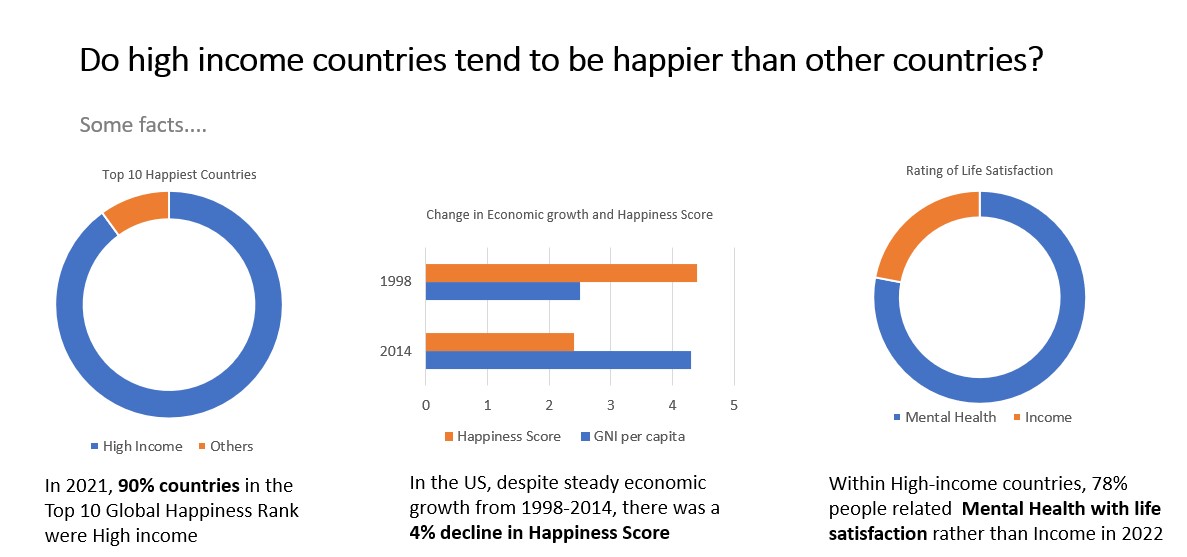
In nations across the globe, the gross domestic product (GDP) is often hailed as the paramount gauge of prosperity. It quantifies the total monetary value of all finished goods and services produced within a country’s borders. Yet, beneath this veneer lies a growing sense of unease. What if this towering metric, revered and relied upon for decades, is incomplete or even misleading? What if instead of money and market transactions, we measured success by something more intrinsic—happiness?
The Allure of GDP: A Monolithic Measure of Progress
GDP has become the lingua franca of economic vitality. When media outlets trumpet record-breaking GDP growth or government officials cite GDP percentages during policy discussions, an implicit assumption emerges: more GDP means better lives. This assumption is seductive because it provides a simple, quantifiable, and ostensibly objective number to gauge advancement. From international comparisons to domestic policy design, GDP serves as a common touchstone for measuring economic health.
However, this fixation on GDP subtly masks the nuances of human well-being by boiling down complex societal experiences into an aggregated economic figure. It neglects non-market transactions such as caregiving, volunteerism, and environmental stewardship—all essential to communal flourishing but invisible in market transactions. Consequently, GDP can increase even as underlying societal fissures deepen. It is a measure that celebrates quantity over quality and tends to favor short-term gains over enduring welfare.
Happiness as an Alternative Metric: The Essence of Well-Being
Happiness, unlike GDP, is inherently subjective, elusive, and multifaceted. It encompasses emotional well-being, life satisfaction, a sense of purpose, and the quality of interpersonal relationships. Measuring happiness invites us to consider lived experiences and the fabric of everyday life rather than the confining parameters of financial statistics.
The appeal of happiness as a metric lies in its alignment with what many consider the ultimate goal of societies: to cultivate thriving individuals and communities. Happiness metrics probe into areas often ignored by GDP—mental health, social cohesion, work-life balance, and environmental quality. They highlight that economic growth can be hollow without the enrichment of human spirit and societal bonds.
Limitations of GDP: What It Misses and Why It Matters
While GDP accounts for economic transactions, it omits critical elements such as income distribution, environmental degradation, and unpaid labor. It rarely accounts for the sustainability of growth or the depletion of natural resources that future generations will inherit. Countries with high GDP can mask glaring social inequities and poor public health outcomes, as wealth concentration may not trickle down in meaningful ways.
Moreover, rising GDP can sometimes be associated with increases in stress, pollution, and social isolation. The relentless pursuit of economic expansion often fuels a culture of consumerism that does not necessarily equate to happiness. This reveals a dissonance between material accumulation and psychological fulfillment, challenging the presumption that GDP growth inherently signifies better lives.
The Scientific Pursuit of Quantifying Happiness
Though happiness is subjective, researchers have devised numerous instruments to capture it, ranging from self-reported surveys to analyses of behavioral data. These methodologies examine emotional states, factors influencing well-being, and disparities within populations. National happiness indices, such as the World Happiness Report, incorporate variables like social support, freedom to make life choices, corruption levels, and generosity—dimensions impossible to encapsulate by GDP alone.
Such metrics provide insights into policies that enhance life quality beyond mere economic prosperity. For instance, countries with moderate GDP but strong social structures often outperform wealthier nations in reported happiness. This scientific exploration compels policymakers to rethink their priorities, placing emphasis on holistic advancement rather than purely quantitative economic targets.
Implications of Prioritizing Happiness Over GDP
Envisioning a world where happiness supersedes GDP as the primary benchmark for societal success ushers profound ramifications. Economic policy would shift from prioritizing growth to enhancing quality of life, potentially leading to more equitable wealth distribution, improved environmental policies, and greater investment in public health and education.
It could encourage societies to value leisure, community engagement, and mental health as integral components of progress. Such recalibrations could reduce the frenetic pace of modern life, fostering a sustainable rhythm more attuned to human contentment. This transformation challenges standard economic paradigms and redefines what it means to flourish as a society.
Challenges and Criticisms of Measuring Happiness
Despite its promise, happiness is not without critique when considered as a metric for national success. Happiness is context-dependent, culturally influenced, and can be difficult to standardize across populations. Emotional states fluctuate, influenced by transient events, making consistent measurement complicated.
Moreover, policymakers may struggle to translate happiness data into actionable economic policies. There is also the risk of oversimplifying complex social issues by reducing them to happiness indices. Nonetheless, these challenges invite ongoing refinement and methodological innovation rather than outright dismissal.
Bridging GDP and Happiness: A Complementary Approach
Rather than viewing GDP and happiness as mutually exclusive, an integrative approach can leverage the strengths of both. GDP can provide essential data about economic capabilities and infrastructure, while happiness metrics reveal underlying societal well-being. Together, they can offer a comprehensive picture, grounded in both material conditions and psychosocial health.
Adopting composite indices that balance economic data with happiness measurements can steer enunciations of success that are more meaningful and humane. This balanced perspective fosters policies that nurture both the economy and the human spirit, ensuring sustainability in every sense of the word.
The Deeper Fascination: Why We Gravitate Toward Measuring Happiness
The enduring preoccupation with happiness measurement reflects a deep human longing for meaning, connection, and fulfillment that transcends material riches. It acknowledges the intrinsic value of subjective experience and recognizes that progress is not merely what is produced but what is lived.
This fascination emerges from the dissatisfaction with economic indicators that feel disconnected from everyday realities. It reveals the yearning to recast societal goals around human joys, sufferings, and aspirations. In contemplating happiness as a measure of success, societies engage in an introspective dialogue about values, priorities, and the ultimate purpose of collective endeavor.
Reimagining economic metrics with happiness at the core invites a profound reconsideration of what it truly means to thrive—ushering in the possibility of societies that cherish well-being, equity, and ecological integrity as foundational pillars, rather than afterthoughts.

