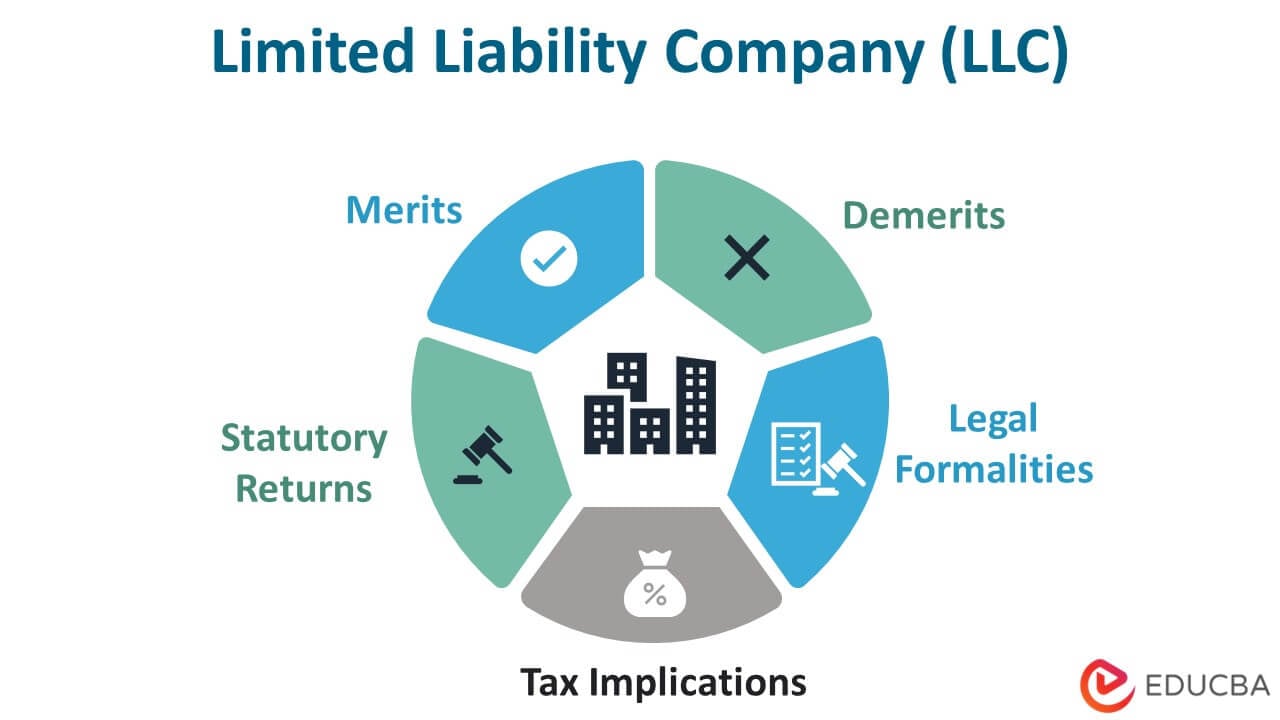
In the sprawling ecosystem of economic systems, capitalism is often likened to a vast ocean—dynamic, unpredictable, and brimming with opportunity. Just as the ocean’s waves rise and fall, markets ebb and surge, pushing individuals and enterprises into unknown territories. Amidst this grand expanse, the concept of limited liability emerged not as a mere legal technicality but as a vital lifeboat, safeguarding investors and fueling entrepreneurial voyages into uncharted waters. This legal innovation transformed capitalism, tempering its inherent risks while magnifying the appeal of investment and enterprise.
The Genesis of Capitalism and the Perilous Seas of Risk
Capitalism, at its core, is an engine of innovation and expansion powered by risk-taking. From bustling marketplaces of medieval Europe to the sprawling industrial hubs of the modern age, the capitalist framework depends on individuals mobilizing resources in anticipation of profit. However, early ventures were akin to navigating treacherous waters without a compass—investors could be dragged under by the rip currents of financial failure.
Prior to the advent of limited liability, entrepreneurs and investors bore unrestricted responsibility. If a company faltered, creditors and lawsuits could decimate personal wealth. This all-encompassing exposure to financial ruin acted as a formidable deterrent, constraining the flow of capital and stifling the pioneering spirit essential to capitalism. The dilemma was clear: how to cultivate robust enterprise while cushioning investors from the catastrophic consequences of failure?
Limited Liability: The Beacon in Murky Financial Waters
Limited liability emerged as a revolutionary legal beacon, offering a tranquil harbor for investors amidst capitalism’s stormy conditions. By legally capping investors’ financial responsibility to the amount they invested, it established a safety net—much like a hull that prevents the entire ship from sinking even if a leak appears. This emblem of protection emboldened individuals to plunge into ventures with greater confidence, nurturing the flow of capital into diverse enterprises.
This protection was not mere altruism but a strategic necessity. It effectively partitioned personal and corporate assets, demarcating a legal boundary between the identities of shareholders and the corporate entity. The corporate shell could absorb the impact of failure, while personal fortunes remained insulated, provided no malpractice ensued. This legal alchemy transformed the capitalist landscape, facilitating the rise of the modern corporation as a dominant economic actor.
Fostering Entrepreneurial Spirit and Economic Dynamism
The allure of limited liability resonates deeply within the psyche of the entrepreneur. By attenuating the fear of total financial annihilation, it acts as a catalyst for innovation and bold business strategies. Imagine an explorer setting sail knowing their ship is reinforced against the worst storms—that psychological assurance invigorates endeavor.
The ripple effects extend beyond individual enterprises. As investment barriers lowered, more capital flowed into infrastructure, technology, and markets, accelerating economic growth. The mechanism democratized investment, allowing non-experts and smaller investors to participate in ventures once reserved for the wealthy or well-connected. This diffusion of capital fostered a fertile environment where ingenuity could flourish and industries transform.
Balancing Risk and Responsibility: The Legal and Social Dimensions
While limited liability expanded capitalism’s horizons, it also introduced nuanced challenges that demanded counterbalance. Shielding investors from total loss could inadvertently encourage reckless behavior if not tempered by regulation and corporate governance. The legal framework had to evolve mechanisms to prevent moral hazard—where protection from downside risk leads to imprudent risk-taking.
Corporate law established fiduciary duties, transparency requirements, and mechanisms to hold managers accountable. Investors were motivated by the prospect of profits, but they also relied on ethical stewardship to ensure sustainability. Societal expectations and regulatory oversight thus intertwined with limited liability to shape a capitalist system that balances ambition with accountability.
The Unique Appeal of Limited Liability in Capitalism’s Architecture
What makes limited liability uniquely compelling is how it elegantly marries individual aspiration with collective enterprise. It allows a multitude of investors to pool resources without bearing disproportionate risk, enabling ventures of scale and complexity that solitary effort could never support. This architecture generates both stability and flexibility—two qualities often in tension in economic systems.
Limited liability encapsulates a profound lesson: capitalism thrives not by eradicating risk, but by crafting frameworks that manage it intelligently. It symbolizes a social contract, an understanding that innovation and progress require tolerance for failure, but not at the expense of personal devastation. Thus, it transforms fear into opportunity, making capitalism not just an economic system, but a crucible of human endeavor.
A Catalyst for Global Economic Expansion
The impact of limited liability transcends national borders, underpinning the rapid globalization of commerce and industry. The model inspired legal systems worldwide, facilitating cross-border investments, multinational corporations, and international capital markets. By standardizing investor protections, it smoothed the pathways for financial integration, enabling capitalism to scale and adapt in a complex, interconnected world.
This global diffusion further amplifies its unique appeal. In diverse cultural and regulatory environments, limited liability serves as a universal language—a foundational principle that aligns disparate stakeholders around shared risks and returns. This universality has been pivotal in unlocking unprecedented economic potentials on a planetary scale.
Conclusion: Limited Liability as Capitalism’s Navigational Compass
In the vast economic ocean of capitalism, limited liability stands as a navigational compass—guiding ventures through perilous risks towards the shores of opportunity. It is neither a shield from all loss nor a guarantee of success; instead, it is a carefully measured instrument that calibrates risk, empowers investors, and fosters growth. Its creation was not merely a legal innovation but a profound response to capitalism’s inherent tensions, enabling an environment where bold dreams can set sail without the paralyzing fear of personal ruin.
By appreciating limited liability’s intricate role, one gains insight into the symbiotic relationship between law, economics, and human ambition. It remains one of capitalism’s most enduring legacies—an emblem of resilience, hope, and the boundless potential that arises when risk meets responsible protection.

