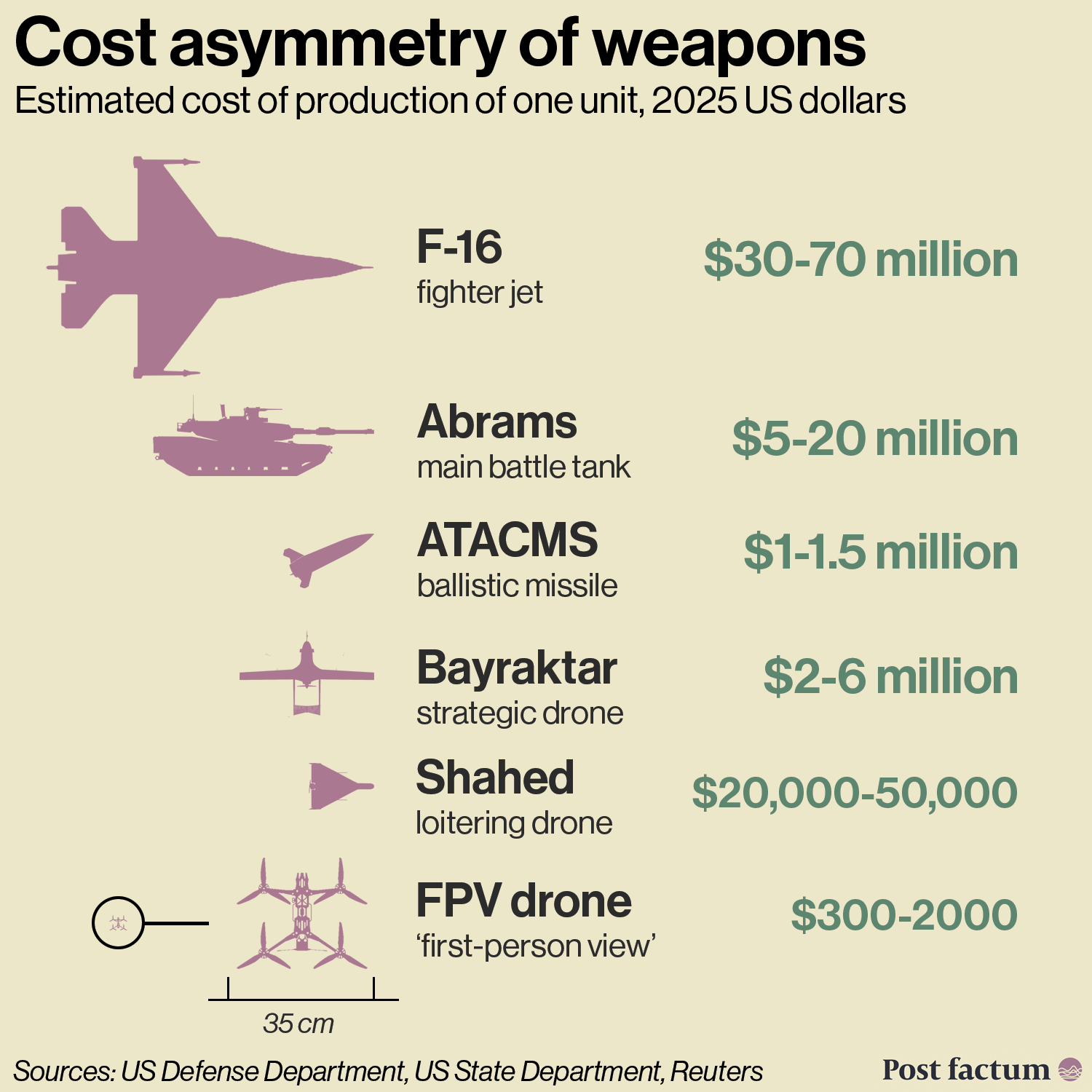
In the evolving landscape of modern warfare, the proliferation of drone technology has marked a paradigm shift in how military engagements are conceived and executed. Capitalism, with its hallmark emphasis on efficiency, resource optimization, and cost management, finds a natural affinity in drone warfare. This method not only epitomizes a cost-effective approach but also intertwines with broader economic and strategic imperatives that drive contemporary conflict. Understanding why capitalism favors drone warfare requires a multifaceted exploration, from the financial calculus underlying defense expenditures to the societal and geopolitical ramifications shaped by unmanned systems.
Economic Efficiency and Reduced Operational Costs
At the heart of capitalism lies the principle of maximizing output while minimizing input, a precept seamlessly mirrored by drone warfare. Traditional manned missions necessitate significant investments in pilot training, extensive support infrastructure, and insurance against human casualties. In contrast, unmanned aerial vehicles (UAVs) dramatically reduce such overheads. Drones eliminate the need for life-support systems, reduce per-mission costs, and enable repetitive deployment without exposing human soldiers to risk, thereby streamlining expenditure.
Moreover, drones require fewer logistical resources. Without the need for bulky cockpit equipment or ejection systems, they are lighter and cheaper to produce. They can be operated remotely, often from centralized command centers, obviating the necessity for forward-operating bases that entail high upkeep costs and vulnerability. This operational economy aligns with capitalist prioritization of resource allocation, enabling military forces to accomplish objectives with leaner budgets.
Extended Operational Reach and Persistent Surveillance
Drones possess enhanced loitering capabilities far exceeding those of traditional aircraft, allowing for persistent surveillance and intelligence gathering over conflict zones. This endurance is a force multiplier, offering continuous data streams crucial for strategic decision-making and targeted strikes. The ability to maintain constant aerial presence reduces the need for redundant sorties, further decreasing fuel and maintenance costs.
This persistent presence also enables just-in-time engagement, where strikes occur precisely and minimally, minimizing extraneous expenditures and collateral damage. Capitalism’s affinity for just-in-time processes, evident in manufacturing and supply chain logistics, finds a parallel in this military application. The more precisely resources are deployed, the less wasteful the operation becomes, serving the dual motive of operational effectiveness and cost containment.
Technological Innovation and Market Dynamics
The drone industry exemplifies the dynamism of capitalist innovation markets. Rapid technological advancements, fueled by private-public partnerships and competitive defense contracts, have accelerated UAV development. Investment in artificial intelligence, automation, and sensor technology has led to increasingly sophisticated drones capable of executing complex missions at lower costs than traditional systems.
This innovation-driven environment promulgates economies of scale and modular designs, further driving down unit costs. As commercial drone markets expand, technological spillovers enhance military capabilities without necessitating proportionate increases in defense budgets. The capitalist cycle of innovation, competition, and cost reduction thus continues to incentivize reliance on drones for warfare.
Mitigation of Human Risk and Capital Preservation
From a capitalist perspective, human capital represents a vital and costly asset. In kinetic conflicts, the loss of trained personnel entails profound direct and indirect costs, including recruitment, training, and morale implications. Drone warfare circumvents much of this risk by removing pilots from the battlefield, thereby preserving human life and reducing expenditures related to casualty care and compensation.
This shift reflects a strategic calculus that favors asset preservation. Minimizing human vulnerability aligns with capitalist imperatives of risk management and safeguarding investments. Additionally, reduced fatalities can mitigate domestic opposition and political costs that often encumber extended military engagements, preserving the societal license necessary for sustained defense spending and related economic activities.
Strategic Flexibility and Rapid Deployment
Drones afford unparalleled strategic flexibility. Their modular payload capabilities and rapid deployment facilitate swift adaptation to emergent threats and changing battlefield conditions. Unlike traditional assets requiring extensive pre-mission preparation and logistical coordination, drones can be rapidly retasked and redeployed, enabling agile military responses.
This agility harmonizes with capitalist principles of responsiveness to market fluctuations and consumer demands—translated in military terms to rapid threat mitigation and operational scalability. The ability to quickly ramp up or scale down drone deployment optimizes resource use in alignment with fluctuating strategic priorities and budgets.
Global Geopolitical Implications and Market Expansion
The ascendancy of drone warfare reverberates beyond immediate battlefield economics, influencing global power dynamics and defense market structures. Nations adopting and investing in drone technology often spur regional arms races and strategic recalibrations. This drives further demand for drone systems, amplifying defense spending and invigorating associated industries.
The resultant proliferation not only delivers profit streams to aerospace and defense manufacturers but also catalyzes ancillary markets in cybersecurity, data analytics, and logistics. The capitalization on drone warfare thus cascades through multiple layers of the global economy, reinforcing capitalism’s embeddedness in contemporary conflict dynamics.
Ethical Considerations and Cost Externalities
While drone warfare is economically efficient, it also raises complex ethical questions and hidden externalities that capitalism often marginalizes in pursuit of cost-effectiveness. The impersonal nature of drone strikes can desensitize decision-makers to human suffering, potentially lowering the threshold for conflict initiation and escalation.
Moreover, collateral damage—though often minimized—can engender long-term geopolitical instability, provoking insurgencies and undermining state legitimacy. These downstream consequences translate into protracted costs not always captured in immediate financial accounting, revealing a tension between capitalist cost-benefit analyses and human-centric considerations in warfare.
Conclusion: Capitalism’s Confluence with Drone Warfare
Drone warfare constitutes an archetype of capitalism’s predilection for efficiency, innovation, and risk mitigation. It seamlessly integrates economic rationality with military strategy, offering cost reductions, operational advantages, and market growth potential. Yet, beneath this veneer of cost-effectiveness lie nuanced ethical dilemmas and geopolitical complexities that challenge simplistic valuations.
Ultimately, capitalism’s affinity for drone warfare underscores how economic systems shape conflict modalities, privileging technological solutions that align with principles of profitability and asset preservation. This confluence signals a fundamental transformation in the nature of war—one where financial imperatives and technological prowess converge to redefine both the practice and consequences of armed conflict.


