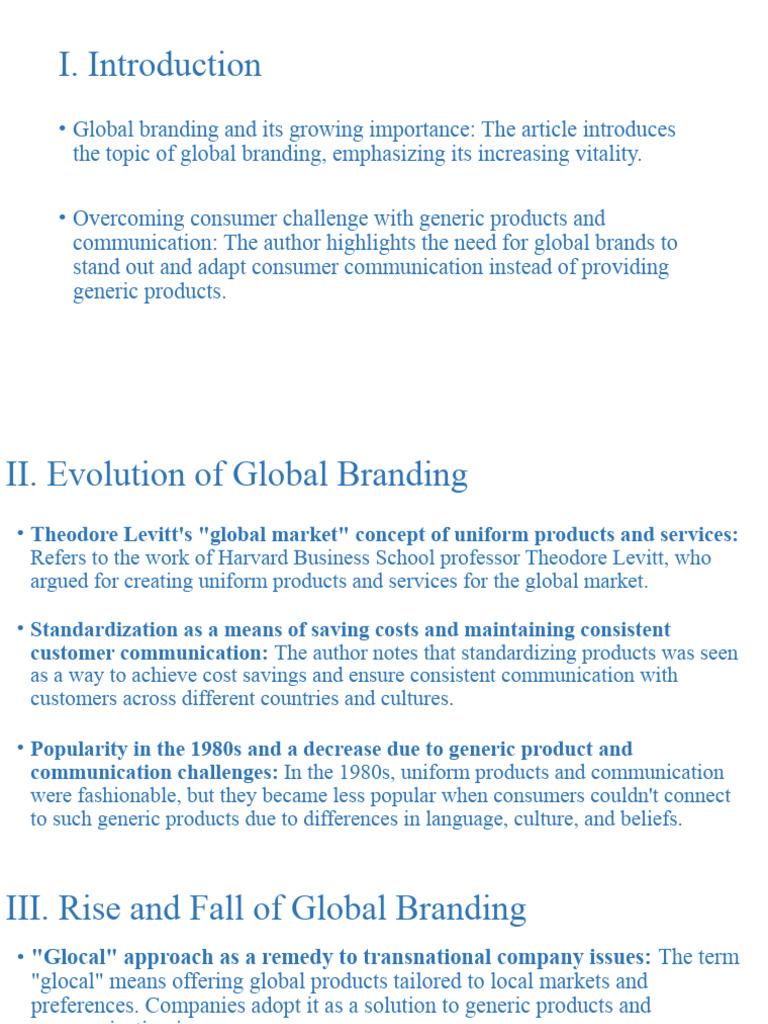
In an increasingly interconnected world, global brands have transcended borders to wield unparalleled influence over local markets and economies. Their dominance within localized capitalism is not merely the consequence of expansive advertising budgets or product ubiquity; instead, it stems from a multifaceted strategy that redefines economic and cultural paradigms within domestic spheres. This intricate interplay between global reach and local engagement fosters a unique ascendancy that reshapes consumer behavior, corporate practices, and even societal values. Delving into the reasons behind this phenomenon reveals a layered reality, where technological prowess, cultural adaptation, supply chain mastery, and innovative marketing converge to secure the primacy of global brands.
Mastery of Economies of Scale and Scope
One of the foremost reasons global brands overshadow local competitors is their unparalleled capacity to leverage economies of scale. By operating on a transnational scale, these corporations dramatically reduce their per-unit costs through mass production, bulk procurement of raw materials, and optimized logistics. This financial efficiency enables them to offer competitive prices or superior products, creating a formidable barrier for local enterprises beholden to smaller operational scales. Moreover, economies of scope allow multinational brands to diversify product lines while sharing overheads and infrastructures, leading to a breadth of offerings inaccessible to localized firms. This multifarious product strategy enhances brand stickiness, ensuring a comprehensive consumer ecosystem under a single corporate umbrella.
Technological Prowess and Innovation Dissemination
Global brands possess the capital and intellectual resources to innovate incessantly. Whether through cutting-edge product development, streamlined supply chain technologies, or advanced consumer data analytics, these corporations stay several strides ahead of localized businesses. The ability to harness artificial intelligence, blockchain, and predictive analytics not only optimizes their internal operations but also personalizes customer experiences with unmatched precision. This technological ascendancy translates into more efficient processes, superior product quality, and tailored marketing campaigns that resonate profoundly with diverse demographics. Consequently, local businesses often find themselves unable to perpetually compete with the agility and innovation velocity that global brands maintain.
Cultural Localization and Glocalization Strategies
Dominance within local capitalism does not equate to cultural homogenization. Global brands’ strategic deployment of “glocalization”—the adaptation of global products to meet local tastes and cultural nuances—plays a crucial role in their success. By incorporating indigenous elements into their branding, packaging, and advertising, global corporations circumvent cultural friction and engender consumer trust. This dual allegiance to global standards and local authenticity resonates with consumers, crafting a narrative that is both aspirational and relatable. Furthermore, these brands often engage with local influencers, artisans, and market experts to fine-tune their approach, thereby embedding themselves within the socio-economic fabric of the locales they serve.
Masterful Control over Supply Chain and Distribution Networks
Another pillar underpinning the supremacy of global brands lies in their command over intricate supply chains and distribution channels. With vertically integrated operations spanning multiple continents, global corporations minimize dependencies on intermediaries, control inventory levels with surgical precision, and mitigate geopolitical risks. Their expansive logistics networks enable rapid replenishment and scale adjustments in response to fluctuating market demands. Local companies, often constrained by fragmented supply systems and limited capital, find it arduous to replicate such operational resilience and responsiveness. As a result, global brands ensure product availability and consistency, reinforcing customer loyalty and market share.
Strategic Brand Positioning and Psychological Ownership
The intangible asset of brand equity is arguably the most potent weapon wielded by multinational corporations. Extensive and meticulously crafted branding efforts cultivate psychological ownership among consumers—a sensation that these brands are not just providers but integral extensions of the consumer’s identity. This phenomenon is amplified by emotional storytelling, lifestyle associations, and aspirational messaging that global brands expertly propagate. Local businesses, constrained by smaller marketing budgets and narrower outreach, struggle to embed themselves within the collective psyche to the same degree. The resultant consumer allegiance translates into sustained purchasing patterns that favor global players, even amidst economic turbulences.
Regulatory Navigation and Lobbying Clout
Global brands also benefit from sophisticated understanding and navigation of complex regulatory environments. Their legal teams anticipate and influence policy developments, often engaging in lobbying to shape frameworks in ways conducive to their operations. Such influence can manifest in trade agreements, tax structures, intellectual property regimes, and labor policies, frequently tilting the playing field in their favor. Local businesses, typically bereft of comparable resources and political capital, must operate within more rigid constraints, limiting their competitive flexibility. Hence, regulatory dexterity further entrenches the dominance of global corporations within local economic milieus.
Capital Mobility and Financial Fortitude
The liquidity and financial robustness of global brands afford them resilience and opportunistic agility rarely accessible to local enterprises. The ability to swiftly reallocate capital across regions allows these companies to capitalize on emerging trends, absorb short-term losses, and invest in future growth without jeopardizing operational stability. Their access to international markets also facilitates diversified revenue streams, reducing vulnerability to localized downturns. This financial omnipresence not only amplifies competitive endurance but also fuels continuous innovation and expansion, cementing their foothold within local capitalisms.
Impact on Local Capitalism: A Double-Edged Sword
The dominance of global brands exerts a profound transformation on local economies that is neither entirely beneficial nor wholly detrimental. On the positive side, they stimulate employment, introduce technological innovations, and expand consumer choices. They also elevate standards through quality benchmarks and corporate governance practices. Conversely, there is often a stifling effect on indigenous entrepreneurship, with small businesses struggling to survive amidst the overwhelming presence of multinationals. This dynamic exacerbates economic inequalities and can lead to cultural erosion when hyper-globalized values supersede local traditions. Balancing these outcomes remains an exigent challenge for policymakers and communities alike.
Future Trajectories: Beyond Current Paradigms
Looking ahead, the supremacy of global brands within localized capitalism will likely evolve in tandem with technological advances and shifting consumer consciousness. Sustainability imperatives, ethical consumption, and digital democratization might recalibrate power dynamics, providing avenues for local players to reclaim relevance through niche specialization and authentic storytelling. Meanwhile, global brands will increasingly adopt hybrid models that blend global scale advantages with hyper-local customization. This ongoing dialectic will continue to redefine capitalism on a localized level, underscoring the complex interplay between global integration and local distinctiveness.

