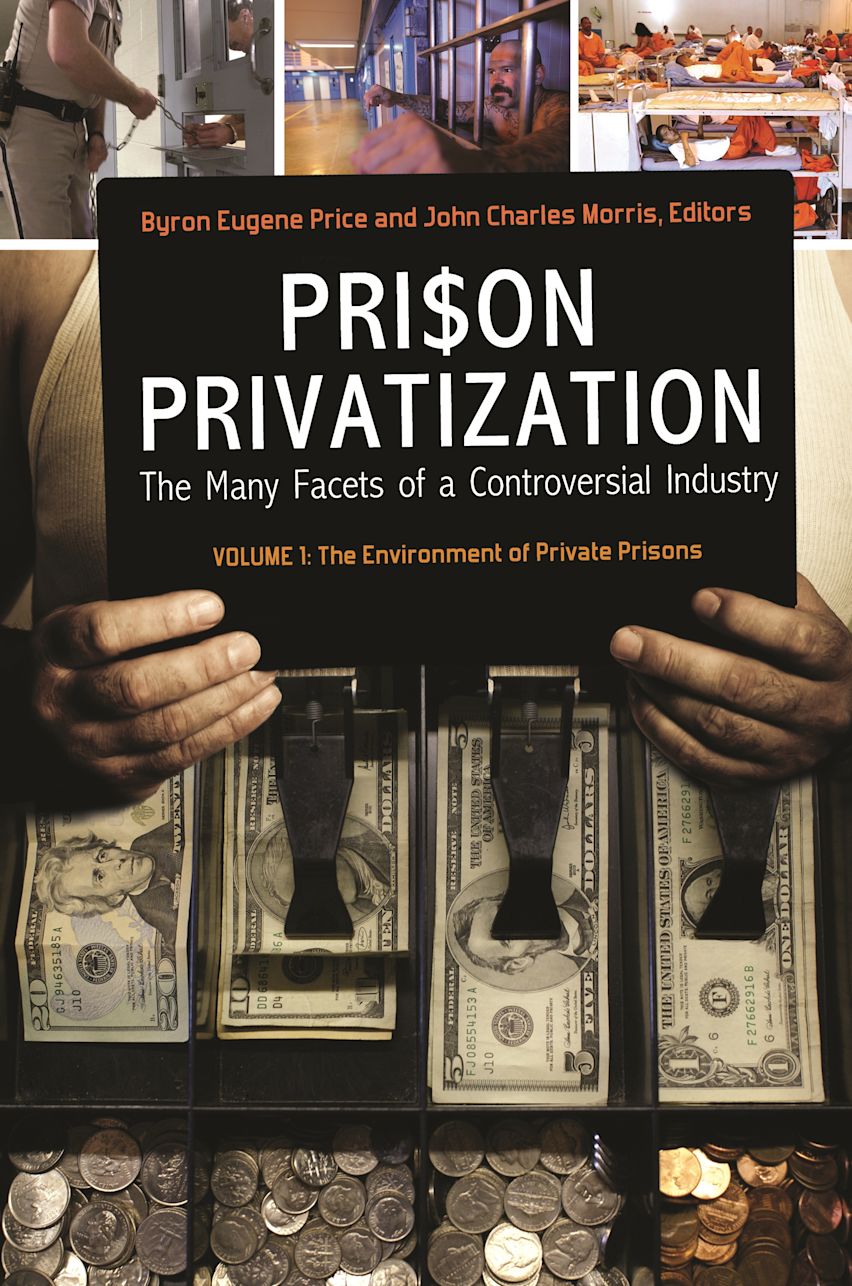
The idea of privatizing prisons was initially championed as a solution that would marry efficiency with cost-saving, promising a streamlined correctional system underpinned by capitalist rigor. Yet, this seemingly pragmatic endeavor has revealed itself to be one of the more pernicious miscalculations in modern governance. Beneath the glossy veneer of profitability and reduced taxpayer burden lies a complex lattice of ethical compromises, deteriorating inmate welfare, and deepening social fractures. To understand why entrusting incarceration to private corporations was a capitalist misstep, one must unpack the multifaceted consequences that ripple far beyond balance sheets.
The Illusion of Market Efficiency in Corrections
At the heart of privatization rhetoric is the belief that market forces produce superior outcomes through competition, cost control, and innovation. However, prisons are not typical commodities, nor do prisoners constitute typical consumers. The incarceration industry operates within a unique nexus of government authority, social policy, and human rights. The assumption that a free-market approach could inject efficiency into this sector overlooks the inherent conflicts between profit motives and the objectives of rehabilitation and public safety.
Rather than fostering true competition, the private prison industry often experiences oligopolistic market structures, where a handful of firms wield outsized influence over contracts and policies. Without adequate oversight and transparency, cost-cutting measures frequently compromise the quality of facilities, staff training, and inmate programs. The result is a system that may save money in the short term but escalates long-term social costs through recidivism, human rights violations, and community destabilization.
Perverse Incentives: Profiting from Incarceration
The monetization of incarceration fundamentally alters the calculus governing prison operations. When prisons become profit centers, there is an intrinsic incentive to maintain or even increase incarceration rates. This dynamic has led to accusations of “mass incarceration for profit,” where lobbying efforts by private prison companies have sought tougher sentencing laws and restrictions on parole, directly contributing to higher prison populations.
Private entities benefit financially the longer—and more numerous—prison populations persist. This creates a perverse feedback loop, where the commodification of confinement stands at odds with societal goals of reducing crime and promoting rehabilitation. Such incentives undermine justice, fostering a system in which human lives are commodified and social harms perpetuated, rather than ameliorated.
Erosion of Accountability and Transparency
Public prisons, despite their flaws, are subject to direct governmental oversight, legal mandates on transparency, and democratic scrutiny. Privatization introduces layers of opacity because private corporations shield operational details, cost structures, and contractual obligations behind proprietary claims and limited disclosure requirements.
This lack of transparency hinders independent evaluation and hampers informed debate about prison conditions and outcomes. There have been numerous documented incidents of neglect, inadequate medical care, and abusive environments within private facilities, often obfuscated by corporate confidentiality. The erosion of accountability not only jeopardizes inmate welfare but also weakens public trust in the broader criminal justice system.
The Social and Moral Costs of Commodifying Human Confinement
Beyond financial inefficiencies and operational shortcomings lies a profound ethical reckoning. The privatization of prisons commodifies human lives, treating incarceration as a business transaction divorced from the gravity of deprivation of liberty. This commodification reduces inmates to units of economic output and metrics of cost containment.
Such a paradigm diminishes the societal commitment to rehabilitation and restorative justice. It normalizes the notion that punishment is a product, rather than a solemn state responsibility. This shift erodes the moral fabric of the justice system, corroding the principles of fairness, dignity, and the potential for human transformation.
Impact on Inmate Rehabilitation and Recidivism
Effective incarceration encompasses more than confinement; it requires comprehensive rehabilitative programs aimed at re-integrating individuals into society. Private prisons, driven by profit imperatives, frequently underinvest in educational, vocational, and mental health resources. Programs vital to reducing recidivism—such as substance abuse treatment and counseling—are often scaled back or eliminated entirely.
This attrition of rehabilitative services contributes to a cyclical penal system where former inmates re-enter society ill-equipped to lead law-abiding lives. Consequently, the purported cost savings of privatization are offset by rising social costs associated with repeat offenses, heightened community insecurity, and expanded law enforcement burdens.
Disproportionate Effects on Marginalized Communities
The ramifications of privatized incarceration disproportionately burden marginalized and economically disadvantaged populations. Communities grappling with systemic inequality often bear the brunt of aggressive policing policies and sentencing laws that funnel individuals into private prison systems. This entrenchment exacerbates social stratification and perpetuates cycles of poverty and disenfranchisement.
Moreover, the proliferation of private prisons in rural or economically depressed areas can create communities economically dependent on incarceration, where job opportunities align with perpetuating high incarceration rates. This local economic reliance further entrenches the private prison complex, making reforms politically fraught and socially complex.
Alternatives Undermined by Privatization
Privatization entrenches a punitive framework that sidelines alternative approaches to justice. Restorative justice, diversion programs, and community-based rehabilitation often receive inadequate support or funding in environments where prison occupancy is underwritten by corporate financial interests.
Additionally, the existence of lucrative incentives tied to incarceration dampens political will to pursue criminal justice reforms that could reduce prison populations. The gravitational pull of the private prison economy thus acts as an obstacle to enacting meaningful change, perpetuating a status quo that is at odds with emerging evidence on effective crime reduction strategies.
Conclusion: Reconceiving the Role of Capitalism in Justice
The privatization of prisons exemplifies the pitfalls of uncritically applying capitalist frameworks to inherently non-market social functions. The intersection of profit motives with the deprivation of liberty reveals contradictions that undermine the goals of justice, equity, and human dignity. The failure to reconcile these tensions has culminated in a system rife with inefficiencies, ethical compromises, and devastating social consequences.
Reimagining a justice system that prioritizes accountability, transparency, and rehabilitation demands a departure from the commodification of incarceration. It calls for an embrace of restorative principles that transcend economic calculus, affirming the intrinsic value of every individual. Only through such a paradigm shift can society hope to rectify the capitalist mistake of privatizing prisons and build a more just and humane correctional framework.

