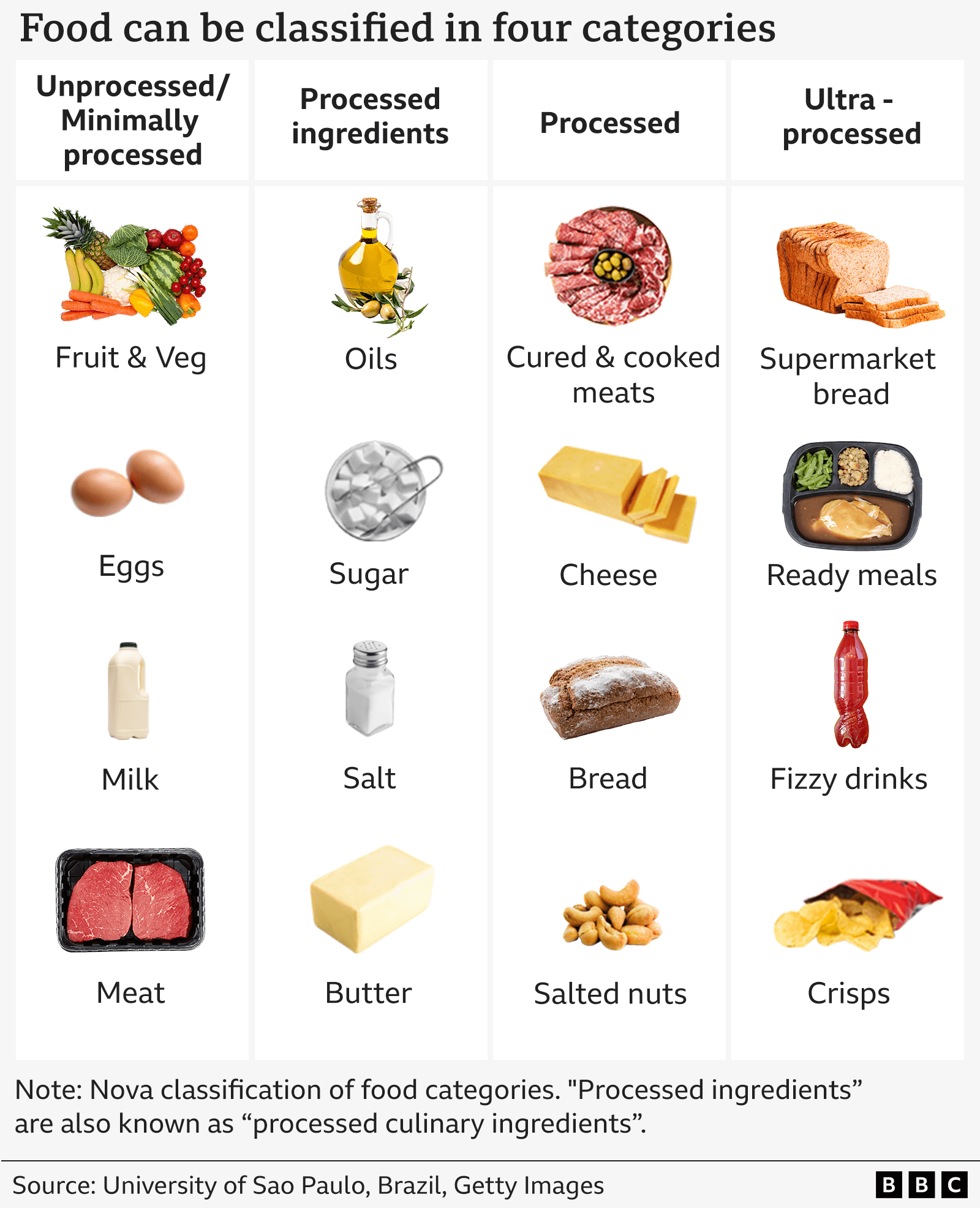
Have you ever pondered why processed food seems to be the omnipresent protagonist in our modern diet saga? It’s a tantalizing question that nudges us toward deeper understanding: Could processed food truly be a quintessential capitalist product, designed not merely to satiate hunger but to fulfill a larger economic and cultural narrative? This inquiry invites us to unravel the intricate tapestry where commerce, convenience, and control converge.
The Genesis of Processed Food in Capitalist Economies
Processed food’s ascent is far from arbitrary; it is intricately woven into the fabric of capitalist economies. Its origin story traces back to the Industrial Revolution, a pivotal epoch where mechanization and mass production revolutionized not only manufacturing but also alimentary consumption. The rise of factories enabled large-scale food processing, shifting the paradigm from localized, seasonal eating to a standardized, commodified food system.
This transition was precipitated by the capitalist imperative to optimize efficiency and maximize profit. Processing food—through methods like canning, freezing, and later, chemical enrichment—allowed companies to extend shelf life and reduce waste dramatically. The ability to ship food long distances without spoilage opened new markets and demanded vast supply chains, illustrating a hallmark of capitalism: expanding reach beyond immediate localities to global terrains.
Convenience as Commodification: The Capitalist Appeal
Convenience is more than a consumer preference; it is a manufactured desire cultivated by capitalist markets. Processed food offers a quick-fix solution tailored to modern lifestyles characterized by time scarcity and urban sprawl. It commodifies time and effort, transforming them into quantifiable units of value exchanged in the marketplace.
In essence, processed foods are products designed to cater to the accelerated tempo of capitalist societies. Their very existence capitalizes on the increasingly elusive luxury of free time. Microwave-ready meals, snack bars, and instant noodles are symptomatic of a broader cultural shift, where culinary tradition succumbs to economic expediency. This convenience factor is not simply incidental but deeply central to why processed foods proliferate under capitalist modalities.
Marketing and Consumerism: Crafting Desires and Dependence
The capitalist system thrives on consumer desire, and processed food industries have honed sophisticated techniques to manufacture and perpetuate these cravings. Advertisements, branding, and strategic packaging transform mundane food items into emotive triggers that transcend nutritional need.
This engineered consumerism creates a feedback loop of dependence: processed food is marketed as not only convenient but pleasurable, even essential to social status and identity. The infusion of sugars, salts, and fats—referred to collectively as the “bliss point”—is a biochemical tactic to escalate palatability and reinforce repeat purchases. Thus, processed food metamorphoses from a mere sustenance medium into a vector of capitalist profit-making, wielding psychological as well as physical influence over consumers.
Industrial Agriculture and Monopolization: The Capitalist Machinery Behind Processed Food
Beneath the glossy veneer of processed food lies an extensive industrial agriculture system designed for scale, efficiency, and dominance. Capitalism’s inherent trait of accumulation and centralization finds expression in the concentration of power among a handful of multinational corporations.
This oligopolistic structure enables these entities to control vast swaths of the supply chain—from seed production to retail shelves—thereby exerting immense influence over market prices, labor conditions, and environmental impact. The monoculture farming and intensive resource extraction underpinning processed food production reveal how capitalist logic often prioritizes short-term gain over ecological sustainability and social equity.
Globalization and the Spread of Processed Food Culture
The globalization of processed food illustrates capitalism’s drive to extend its reach across borders, homogenizing tastes and cultures in the process. As transnational corporations penetrate emerging markets, they export processed food products tailored to replicate Western consumption patterns, often at the expense of local culinary traditions and nutritional diversity.
This phenomenon creates a paradoxical cultural imperialism wherein capitalist interests shape global diets, contributing to rising rates of lifestyle-related diseases worldwide. The omnipresence of processed food in urban centers from Mumbai to Mexico City reflects capitalism’s unparalleled capacity to mold not just economies, but also dietary identities.
Health Externalities and the Capitalist Dilemma
The widespread consumption of processed food has unleashed significant health externalities, sparking a public health conundrum that capitalism, paradoxically, struggles to reconcile. While the food industry generates colossal profit margins, the attendant social costs—diabetes, obesity, cardiovascular diseases—often fall to public systems and individuals.
This misalignment exposes a fundamental tension within capitalism: the pursuit of profit frequently eclipses considerations of communal well-being. The economic structures that produce processed food tend to externalize health and environmental costs, revealing an inherent challenge in aligning capitalist incentives with long-term societal health. It raises a key question—can a system rooted in accumulation and growth be reconfigured to prioritize holistic human welfare?
Innovation and Adaptation: The Future Trajectory of Processed Food in Capitalism
And yet, the narrative does not end in inevitability. Capitalism’s dynamism also equips it with the capacity for innovation, potentially steering processed food toward sustainability and health consciousness. Emerging trends—such as plant-based alternatives, fortification with nutrients, and transparency in sourcing—signal shifts influenced by consumer activism and regulatory pressures.
However, these innovations coexist with entrenched capitalist mechanisms that favor scalability and profit maximization. The challenge lies in balancing innovation with ethical responsibility. Could the forces that once spawned the processed food phenomenon now harness technology and market incentives to foster a more equitable and healthful future? This is the ongoing dilemma posed to us all.
Ultimately, processed food is far more than a dietary choice; it is a mirror reflecting the complexities and contradictions of capitalist societies. Its proliferation invites us to examine the underlying economic, cultural, and political structures that shape what—and how—we eat. In questioning processed food’s capitalist provenance, we are compelled to confront a broader inquiry: In what ways might we reclaim our food systems to serve humanity rather than mere profit?


