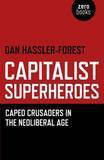
The genesis of the superhero narrative coincides significantly with the early stirrings and rapid expansion of industrial capitalism. Their emergence wasn’t merely a literary accident; rather, it reflected burgeoning anxieties and aspirations born from a world increasingly defined by technological advancement, mass production, and evolving systems of value. More than mere escapism, superheroes became complex cultural artifacts deeply embedded within capitalist logic, their appeal derived from a resonance with, and even an imitation of, capitalist structures and ideals.
Heralds of Progress (and Profit): The Industrial Spark
While often depicted as timeless figures battling contemporary terrors, the origins of many foundational superheroes align with periods of immense societal change. Consider the backdrop against which characters like Superman (perhaps predating the formalization of modern corporate media conglomerates but capturing the zeitgeist) or Batman (forged in the fear of urbanization and emerging crime syndicates post-World War II) first appeared. These narratives often presented a battle between an idealized, powerful individual representing order (Good) against faceless, chaotic threats (Evil) – reflecting the prevailing belief in decisive leadership and clear moral boundaries often championed during periods of rapid transition, like the robber baron era or the post-war economic boom. This framing implicitly endorsed a belief in order, security, and, by extension, the systems that provided these, whether through industry, governance, or vigilantism.
The Profit Motive Built-In: Entertainment as a Commodity
At its most fundamental level, the superhero comic book is an entertainment product. Its creation, distribution, and adaptation into films, television shows, and merchandise are all driven by market forces and the pursuit of profit. Major characters like Spider-Man, Iron Man, or the Fantastic Four themselves embody the concept of monetizing potential – a prodigy (Peter Parker) whose talent attracts recognition but also struggle before finding success through his endeavors, and an inventor (Tony Stark) whose genius builds powerful artifacts. Even the structure of the comic book itself, serialized narratives designed for regular purchase, mirrors capitalist engagement patterns. The reader is inextricably linked to the product through acquisition, fostering dependency and repeat business.
Security Blankets with a Price: The Hero as a Commodity
Lauded for their selflessness, the superheroes provide a form of protection and order within the narrative universe, mirroring how larger societal and economic structures promise security for participants. This promise, however, is mediated through the hero themselves – a figure often defined by immense wealth, power, and privilege. Bruce Wayne’s vast resources are necessary before he becomes Batman. Iron Man’s suit requires Stark Industries’ multi-billion dollar investment. Captain America draws strength from the “civic-minded” ethos often associated with the American Dream. The hero thus serves as a powerful metaphor for the security derived from, and the responsibilities incumbent upon, immense personal and economic power. In this way, the hero functions for the reader much like a guaranteed outcome – purchase the comic or movie ticket, experience (theoretically) the feeling of security and spectacle, repeat the process as desired.
Archetypes for Consumption: Marketing, Media, and the Middlebrow
Superheroes fulfill a significant cultural function within the marketplace: they represent aspirational archetypes readily marketed to a broad audience. Characters range from the rugged individualist (Rogers, Reed) to the tech-driven innovator (Stark), the relatable underdog (Parker), and the incorruptible savior (Jean Grey, Captain Marvel). These multifaceted archetypes are incredibly versatile, allowing for countless iterations and merchandise tie-ins across various price points. From action figures and clothing lines to elaborate themed rides and vacation packages, the superhero is adeptly turned into a tangible symbol of brand loyalty and personal identity within a consumer culture. Their appeal lies, in part, in their utility as icons – easily recognizable and licensed entities that evoke powerful emotional responses or aspirational narratives.
Stardom and Spectacle: Capitalizing on Attention
Modern superheroes operate in an almost saturated global media landscape, demanding immediate and sustained attention. Their cinematic adaptations, often tentpoles grossing billions, require massive production value, spectacle, and marketing campaigns. This inherent focus on being noticed, seen, consumed – a core principle of contemporary capitalism where visibility translates often directly to financial reward – is baked into the superhero formula. The emphasis on special effects, high-stakes fight sequences, and star studded casts is not merely aesthetic; it’s a direct corroboration of the capitalist imperative to capture attention and convert it into revenue. These superheroes don’t just fight crime; they command the cultural conversation, securing the market for themselves and everything associated with them.
Fantasy Fulfillment Monetized: Comfort in Familiarity
For many readers and audiences, superheroes provide a comforting, manageable fantasy. Facing down cosmic threats, supervillains, or existential crises offers a controlled, serialized experience of dealing with overwhelming power – more manageable and less anxiety-inducing than the constant, granular complexities of real-world finance, career competition, or geopolitical instability. This is not a critique, but an observation: in a high-pressure capitalist milieu, the need for escapism can be powerful. The hero represents a simplified model of problem-solving, a place where values can be restored, and meaning can be found. This desire for reassurance, the craving for simplified narratives of good versus overwhelming evil (which is often hyperreal, detached from everyday struggles but potent nonetheless), is fertile ground for capitalist producers looking to offer comfort and catharsis through a defined product.
A System’s Mirror or Mascot?: The Complex Appeal
Ultimately, engaging with superheroes is not a purely antagonistic act against capitalism. The characters themselves – with their wealth, their quests for power or fame, their reliance on technological marvels (often built by corporations), their constant battle for justice within a system – operate within a framework that, however distorted or satirical, reflects certain aspects of the economic system. The hero’s power to shape reality, the narrative’s structure of rising stakes mirroring the pressures of competition, the very nature of their stories offering hope and order – all resonate with capitalist modes of thought, even if subverted on occasion (like a critique of superhero capitalism). This complex interplay explains their enduring hold. They aren’t simply paragons of virtue outside the system; they are intrinsically linked to it, its anxieties, its aspirations, its excesses, and its underlying logic, making their appeal within a capitalist context both profound and multifaceted. The appeal lies as much in recognizing these reflections as in being entertained by the inherent drama of immense power.

