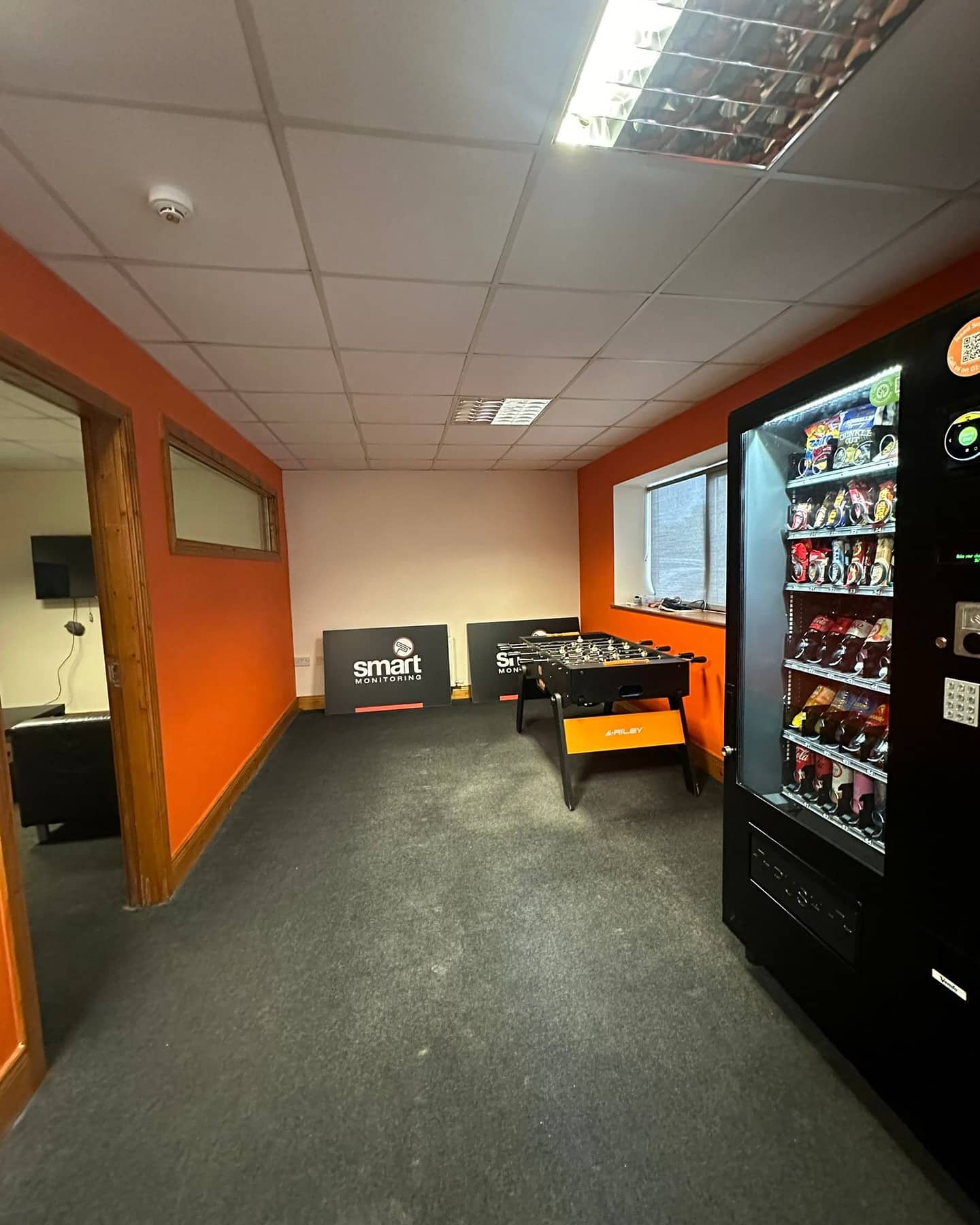
Vending machines, at first glance, seem mundane—monolithic boxes scattered throughout urban landscapes dispensing snacks, drinks, or sundry items at the mere press of a button. Yet, this unassuming apparatus encapsulates a profound microcosm of capitalist ideals, market dynamics, and consumer psychology. Their ubiquity and seamless integration into everyday life invite a subtle fascination that extends beyond convenience. These machines serve as tiny capitalist lessons, embedding within their circuitry and coin slots a narrative on supply, demand, competition, and profit, distilled into an automated transaction.
Automated Commerce: The Essence of Market Efficiency
The vending machine epitomizes market efficiency—a core tenet of capitalism. By automating commerce, it maximizes productivity and minimizes overhead costs inherent in traditional retail. No salaries paid to clerks, no storefront rent for human interaction, just a streamlined mechanism dispensing goods. This automation underscores a deeper appreciation for labor displacement and technological innovation as drivers of economic growth. The machine’s prescient design reflects an unyielding commitment to optimizing resource allocation and transaction speed, essential elements for prosperous markets.
Consumer Choice and Instant Gratification
Vending machines crystallize the concept of consumer sovereignty. They offer a curated selection where consumers exercise autonomy, choosing among predefined options instantaneously. This immediacy fosters a heightened sense of control and satisfaction. Yet, beneath this veneer lies nuanced paternalism—the machine’s limited inventory subtly shapes demand by constraining choice. This paradox offers insight into modern consumer behavior, wherein freedom is both exercised and circumscribed. The allure of instant gratification aligns with broader capitalist trends emphasizing speed and convenience as competitive advantages.
Microeconomic Principles Manifested in Miniature
Each vending machine acts as a live laboratory for microeconomic principles. Pricing strategies—dynamic or static—reflect attempts to balance supply and demand, maximize profit margins, and manage inventory turnover. For instance, price sensitivity is gauged through sales fluctuations, informing future stocking or pricing adjustments. The scarcity of certain items and the surfeit of others demonstrate basic market forces at work. Additionally, location influences demand elasticity; a vending machine in a bustling train station commands different consumer behaviors than one in a quiet office hallway. These granular observations translate into broader economic lessons about market segmentation and consumer responsiveness.
Competitive Markets in a Compact Form
Vending machines often coexist in clusters, transforming small geographic areas into arenas of competition. Different operators vie for consumer attention through product differentiation, branding, and pricing. This microcosm reflects the larger capitalist ecosystem’s competitive nature, where companies strive for market share and consumer loyalty. The persistent innovation in product assortment—healthier snacks, artisanal beverages, tech-infused payment systems—demonstrates responsiveness to shifting consumer preferences and regulatory climates. In this way, the vending machine sector reveals how competition spurs continual evolution within capitalist markets.
Capital Investment, Risk, and Return
Behind every vending machine lies an investor navigating the interplay of risk and reward. Capital investment is required not only to purchase and install the machine but to stock it appropriately, maintain it, and periodically update offerings. The operator must analyze foot traffic patterns, local demographics, and competitor presence to optimize profitability. This exercise in entrepreneurial risk-taking, with returns contingent on myriad factors, encapsulates the essence of capitalist undertaking. The vending machine’s success depends on prudent capital allocation and market insight, mirroring the challenges faced by larger enterprises.
Technological Integration and Consumer Trust
The evolution from coin-operated boxes to sophisticated machines accepting digital payments showcases capitalism’s embrace of technological progression. This integration enhances user experience and broadens accessibility, reflecting how innovations underpin competitive advantage. Moreover, consumer trust is paramount; vending machines operate on the implicit contract that money inserted will yield the expected product. This trust is fragile—mechanical malfunction, product quality, or transaction errors can erode confidence. The delicate balance of technological reliability and consumer perception echoes wider themes about market integrity and ethical capitalism.
Behavioral Economics Embedded in a Mechanical Interface
Vending machines also reveal the subtle interplay of psychological factors shaping economic behavior. The strategic placement of items, price points ending in psychological pricing (.99 cents), and the allure of illuminated displays engage consumer heuristics and biases. This design exploits tendencies such as impulsiveness and the desire for novelty. Such insights drawn from behavioral economics illustrate how capitalist enterprises optimize profits not just through supply-side mechanisms but through an acute understanding of human cognition. The vending machine serves as an exemplar of how economic models intertwine with psychological nuances.
Implications for Local Economies and Societal Structures
Beyond individual transactions, vending machines impact local economies by generating income where traditional businesses may struggle. They can fill retail voids in underserved areas, providing goods otherwise inaccessible and supporting local employment through restocking and maintenance. However, their proliferation raises questions about economic displacement, as automated sales may undermine small retailers. This dynamic encapsulates broader capitalist tensions between innovation-driven growth and its impacts on traditional societal structures. Such dualities invite contemplation on the ethical contours implicit in capitalist progress.
The Allure of the Vending Machine: Symbolism and Cultural Resonance
The fascination with vending machines extends beyond their economic function. They symbolize a distilled interaction between consumer and commodity, technology and transaction, individual desire and market supply. This symbolic resonance is why they captivate attention, prompting reflections on autonomy, efficiency, and modernity. Their resonance in culture—as retro icons or futuristic hubs—reflects society’s complex relationship with capitalism itself. Vending machines, in their quiet omnipresence, serve as daily reminders of the systems underpinning contemporary life, miniature lessons in capitalism encoded in steel and circuitry.


